
Disclosure Day
REVIEWS
Spielberg and the Rediscovery of Empathy
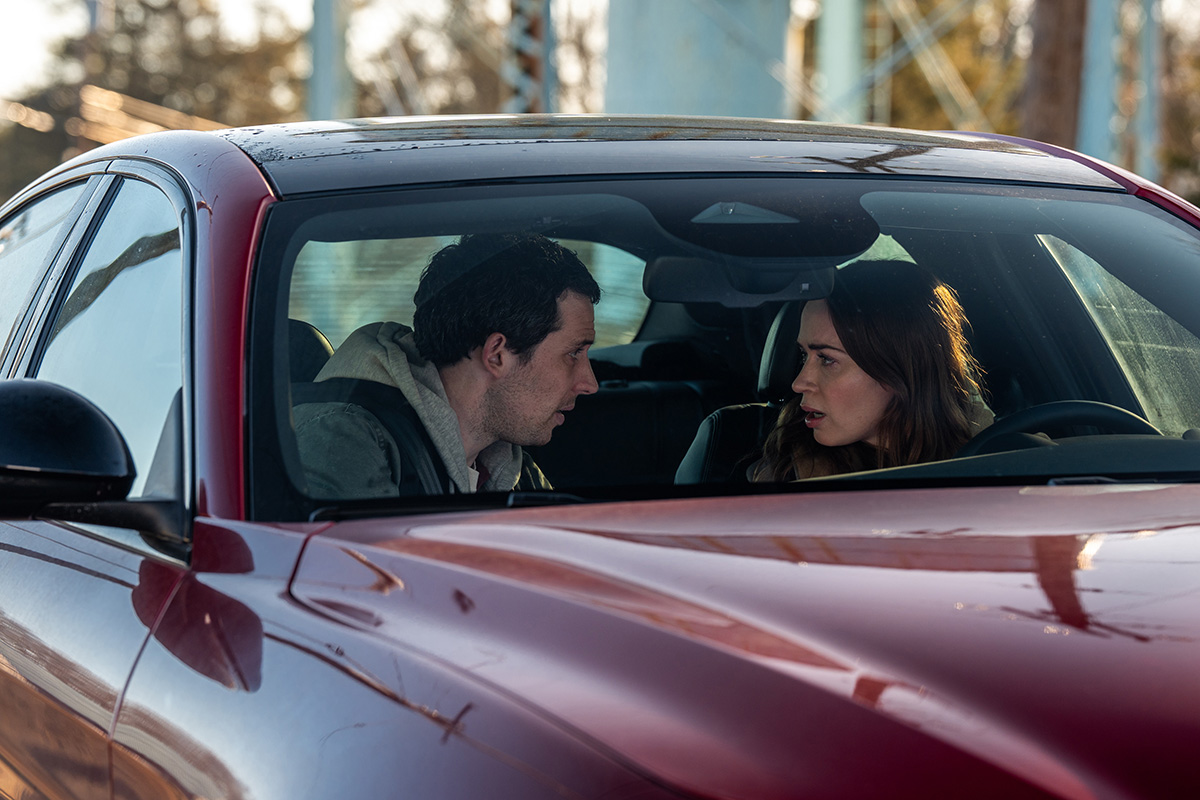
This film season, few movies have been as divisive as Disclosure Day, Steven Spielberg’s long-awaited return to the subject of aliens, fifty years after Close Encounters of the Third Kind and following the “interludes” of E.T. the Extra-Terrestrial and War of the Worlds. Here at BLACKOUT, we loved this new foray into science fiction by Spielberg. Despite the alleged naiveties that raised more than a few eyebrows among social media detractors, the American director once again succeeds in immersing contemporary audiences – often all too cynical and disillusioned – in a fairy-tale parable that delivers great cinema (featuring at least two or three sequences destined for the history books, and an extraordinary final half-hour that leaves you breathless, jaw-dropped, and covered in goosebumps). At the same time, the film places great emphasis on a key element for human survival in the face of increasingly invasive technological progress: the recovery of empathy in today’s increasingly unempathetic world.
Through the main characters of Daniel and – above all – Margaret (played brilliantly by Josh O’Connor and Emily Blunt), Spielberg manages to stir something within the viewer, provided they are willing to suspend their disbelief and rekindle a childlike sense of wonder. He awakens the capacity to feel deeply and confront one’s inner self, rather than constantly hiding behind a shield of cynicism and sarcasm (after all, what’s the harm in that?). He achieves this by crafting a parable – one that is, in its own way, deeply political – about the power of listening and the importance of openness toward the “Other”. And he does so by demonstrating, once again, a truly moving faith in the power of good old-fashioned cinema – the kind of cinema that speaks about itself and about life – even in this age of digital technology and artificial intelligence.
At the heart of the plot – much like in the magnificent The Post – we once again find media ethics serving as an antidote to the excesses of political power when it threatens to become absolute (did someone say Trump?), alongside the importance of quality journalism in the age of social media falsehoods and post-truth. Yet, as is always the case in Spielberg’s cinema, it is the gaze that truly makes the difference and takes center stage; for cinema is, first and foremost, about looking, and knowing how to look – Spielberg reaffirms – remains vital, now more than ever. That childlike naivety – bolstered by David Koepp’s screenplay, which may be uneven but is undeniably full of life – has irritated many detractors; yet, after all these years, it continues to astonish and captivate because, with this director, it is sincere. Indeed, it is the cornerstone supporting the entire structure of that grand spectacle where, ultimately, everything falls into place as if by magic, provided one knows how to look and how to listen. Just like at the movies. Just like with Spielberg.


